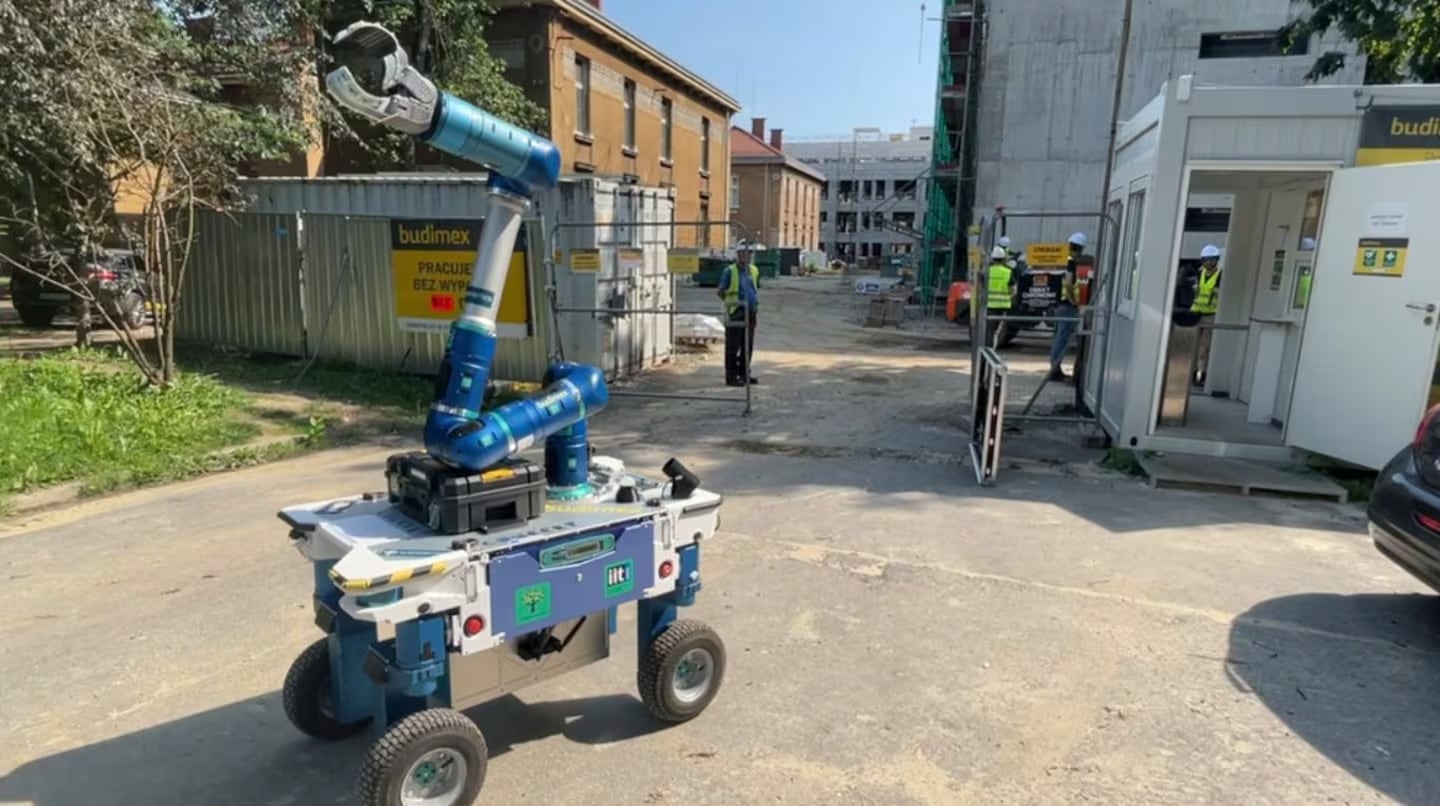
Intel Chopper permitted robot equipment for a year to continue chip production
The Federal Communications Commission granted the chipmaker a 12-month waiver to keep using foreign-made autonomous vehicles inside its U.S. semiconductor plants, despite a recent federal ban on certain foreign robots. The exception expires in October 2027 and also allows technical updates to keep the equipment running.
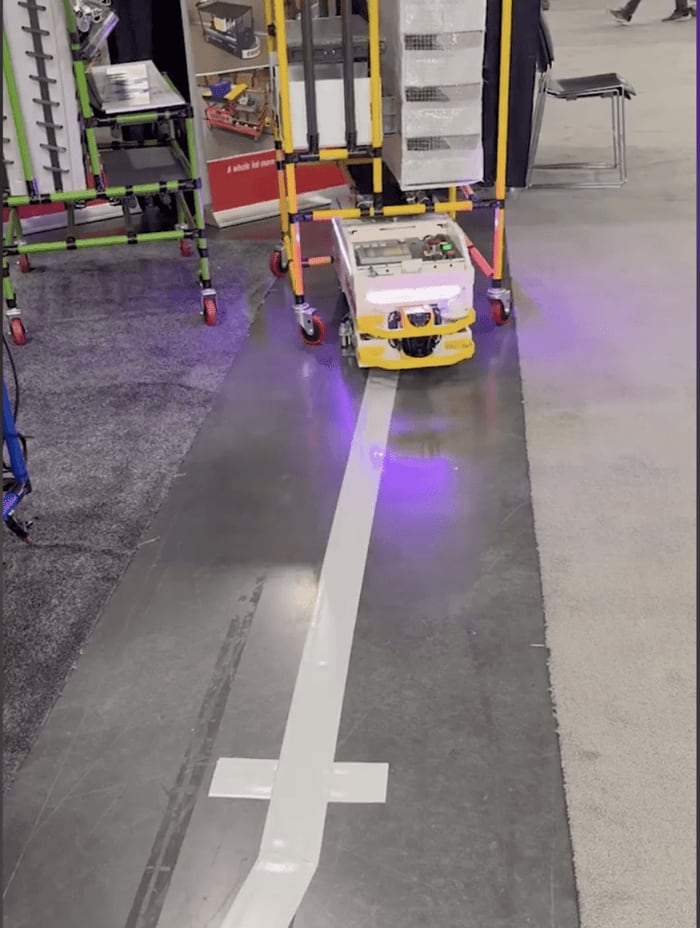
When workers and operators at Intel's U.S. semiconductor plants watch materials move along fixed routes, they are seeing equipment that has become indispensable to the chip production chain, and this week they were assured they could keep using it, at least for another year. The Federal Communications Commission granted the company a 12-month exception so that its foreign-made autonomous vehicles can continue operating inside its factories.
The company requested the waiver on October 16, just six days before the FCC published the order, and explained that it had acted out of pure caution because it was unsure whether its equipment fell within a recent federal prohibition on foreign robots. Intel did not disclose the models it uses, as that information was included in a confidential annex attached to the request.
Robots that move materials inside the plants
These vehicles travel on rails or predefined routes, usually with human supervision, and are used to transport materials within the facilities. Intel says they are essential to chip production and that no U.S.-made equivalents currently meet its technical requirements. Without a replacement, stopping their operation would directly affect manufacturing.
The FCC also authorized Intel to make hardware, software and firmware changes to keep the vehicles operational during the exception period. That detail is important because the current restriction mainly targets new models of mobile robots, including humanoid robots and robot vacuum cleaners, while still allowing the import of devices that had already received prior U.S. approval.
There is also a regulatory uncertainty around how much modification is permitted. The rule prevents manufacturers from making substantial changes to previously approved equipment without submitting it to a new regulatory review, and this point raised questions among several companies about the actual scope of the restriction.
- The waiver covers autonomous vehicles used by Intel inside its semiconductor plants.
- The exception lasts 12 months and expires in October 2027.
- Intel will have to demonstrate compliance when the waiver ends.
- Technical changes to hardware, software and firmware are authorized during the period.
The decision reaches beyond Intel and could affect expectations across the sector. International Data Corporation projected that, by 2030, the regulation could reduce by 58 percent the revenue U.S. companies expected to obtain from deploying humanoid robots, compared with estimates made before the restriction.
For Intel, however, the immediate issue is more concrete: keeping production moving. The company says it cannot find domestic alternatives that satisfy its technical needs, so the waiver provides breathing room, but it does not settle the larger regulatory debate over foreign-made industrial robots. When the exception expires, the chipmaker will have to show that it can continue operating within the rules.
Comentarios
0Todavía no hay comentarios. Sé el primero.
Seguí leyendo


Omega Speedmaster Moonphase Meteorite: una nueva edición del reloj que marcó la historia