El consumo real retrocedió en agosto y Everton categorías insidious en los supermarkets y mayoristas
Las ventas de supermerados y autoservicios mayoristasongs
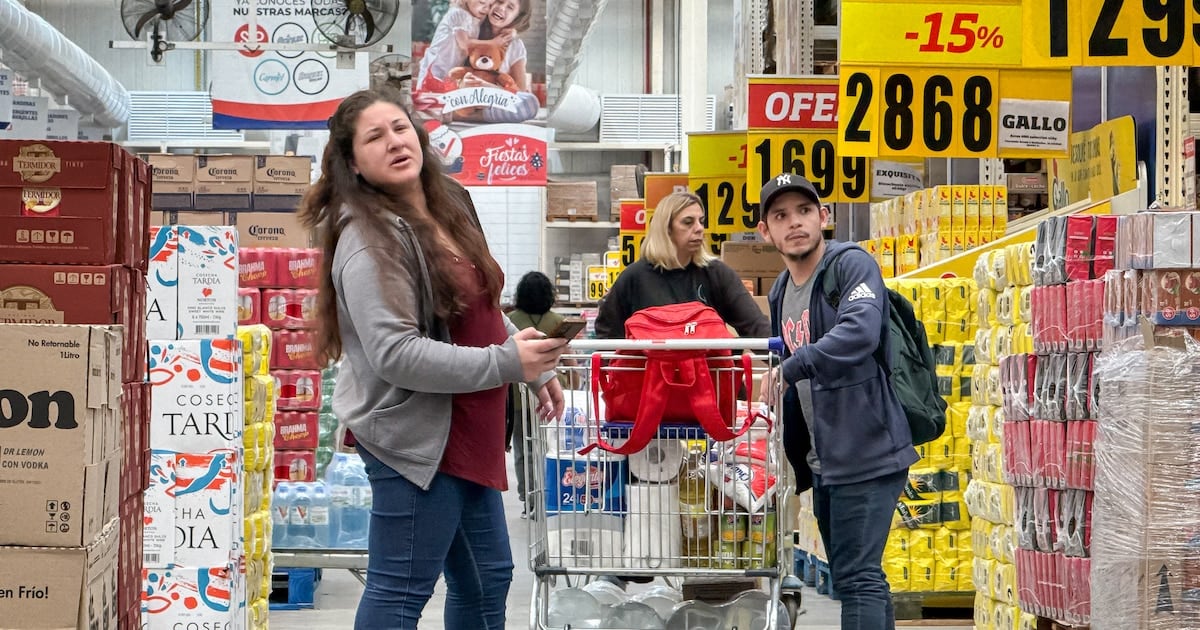
Las ventas en supermercados y autoservicios mayoristas XXX decreased 3.7% and 3.6%, respectively, in real terms compared with August last year, according to data released by the National Institute of Statistics and Census. The figures reflect both a weakening in the volume of goods sold and a shift in household purchasing patterns. The decline was also recorded in the monthly comparison, with supermarkets falling 0.8% and wholesale self-service stores falling 1.2%, on a seasonally adjusted basis.
La comparación con los precios
The annual nominal increase in supermarket sales reached 24.2%, well below the 29% advance of the sector's implicit price index between August 2025 and August 2026. Consequently, the increase in billing did not translate into higher real sales. In wholesale self-service stores, the year-on-year contraction in real terms was 3.6%, showing a similar pattern in the two distribution channels. The accumulated data for the first eight months point in the same direction: supermarket sales declined by 2.8% in volume, while wholesale stores fell by 2.9%.
The performance of individual categories reveals a distinct contrast between essential food groups and other areas. In supermarkets, meat recorded the best result, with nominal sales rising 38.5%, above the sector's implicit price inflation. Fruit and vegetables also achieved real growth, with a nominal increase of 32.6%. These categories managed to expand beyond the price threshold, while beverages, electronics and household goods, and bakery products remained below it.
- Beverages recorded an 11.5% nominal increase in supermarkets, far below the 29% implicit price growth.
- Electronics and household goods rose 18.5% nominally in supermarkets.
- Bakery products increased 18.5% nominally, a level that also did not compensate for the rise in prices.
Wholesale stores followed a similar pattern
At wholesale self-service stores, fruit and vegetables posted a nominal increase of 35.5%, followed by dairy products at 30.2%, grocery products at 29.8% and meat at 29.1%. These categories grew at or above the inflation benchmark for the sector. Electronics and household goods were the only group that fell in nominal terms, declining 1% compared with August of the previous year. Beverages increased only 6.5%, while clothing rose 18.7%, leaving both categories below the price reference.
The regional figures show that the outcome varied considerably across the country. In supermarkets, Neuquén recorded the highest nominal increase in billing, at 33.6%, followed by La Pampa at 30.9% and Río Negro at 30.7%. These were the only provinces whose supermarket sales exceeded the implicit price index. Misiones had the weakest result: its supermarkets billed only 7.7% more than a year earlier in current terms, implying a substantial contraction in real sales. Chaco, Catamarca and Santa Cruz also remained well below the benchmark.
“The decline in real sales in both channels suggests that households purchased less volume or shifted their spending toward a smaller number of categories. However, the available information does not allow attributing the reduction to a single cause.”Soledad Arias, Economía y comercio
Comentarios
0Todavía no hay comentarios. Sé el primero.
Seguí leyendo

Deuda: La Rioja extiende el default tras incumplir otro vencimiento de bonos
Impuestos municipales a los bancos: dónde son más altos y qué hará el Nación